What are Lab-Grown Diamonds?
Here is the quick answer. Lab-grown diamonds are manufactured in a factory environment built for mass production. The two core techniques for creating these diamonds in the lab are Chemical Vapor Deposition (CVD) and high-pressure, high-temperature (HPHT). Chemical Vapor Deposition is similar to 3-D printing where layers of carbon are deposited on top of a “seed diamond” (normally a piece of another synthetic diamond) inside of a high-pressure chamber. The high-pressure, high-temperature process attempts to recreate the natural process of forming a diamond in the Earth by crushing natural graphite in a large machine with extreme pressure and temperatures until it forms a diamond.
Currently, 60 percent of lab-grown diamonds are manufactured in factories in China using high-pressure, high-temperature (HPHT) technology rather than the ‘cleaner’ chemical vapor disposition (CVD) technique popular in the US and India.
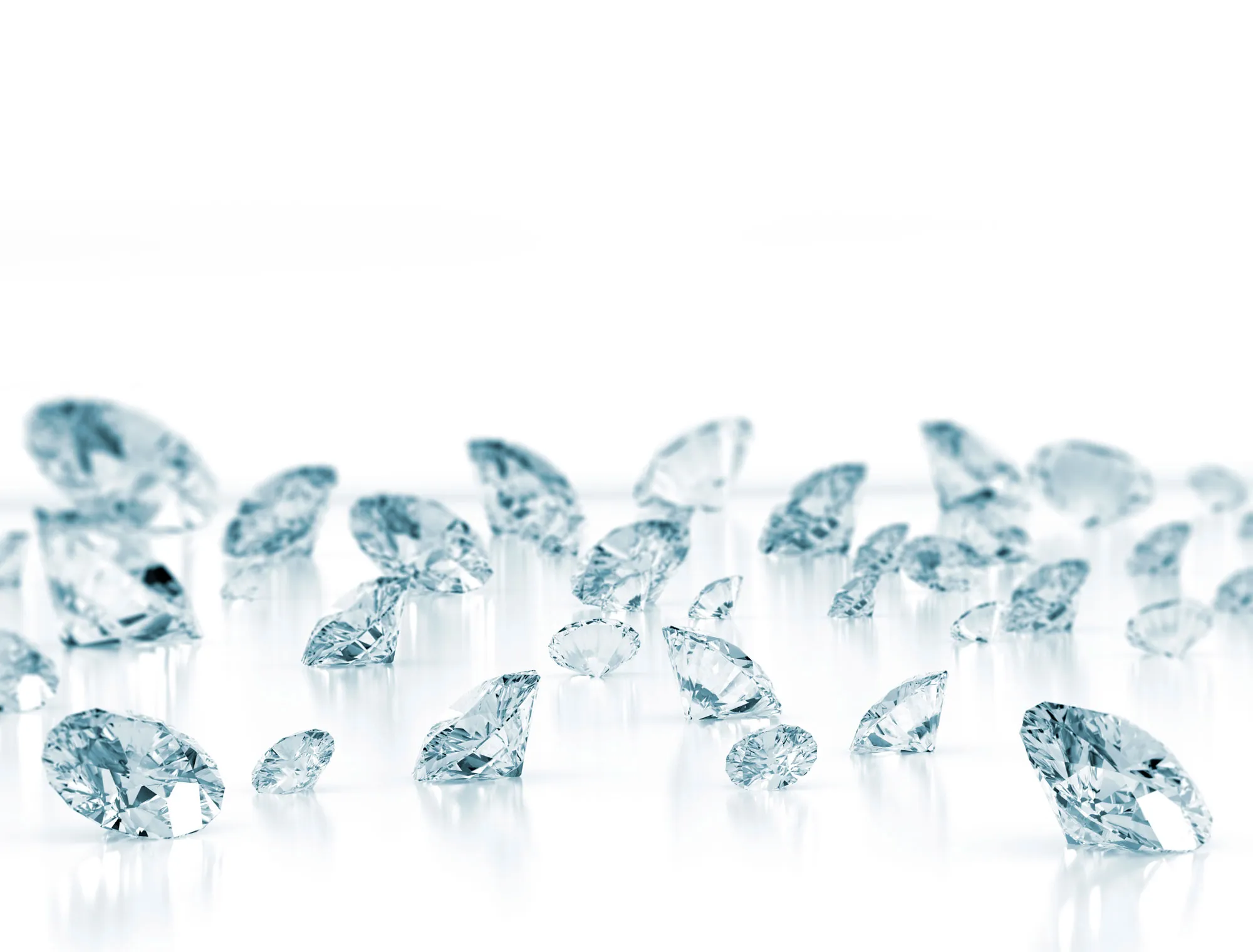
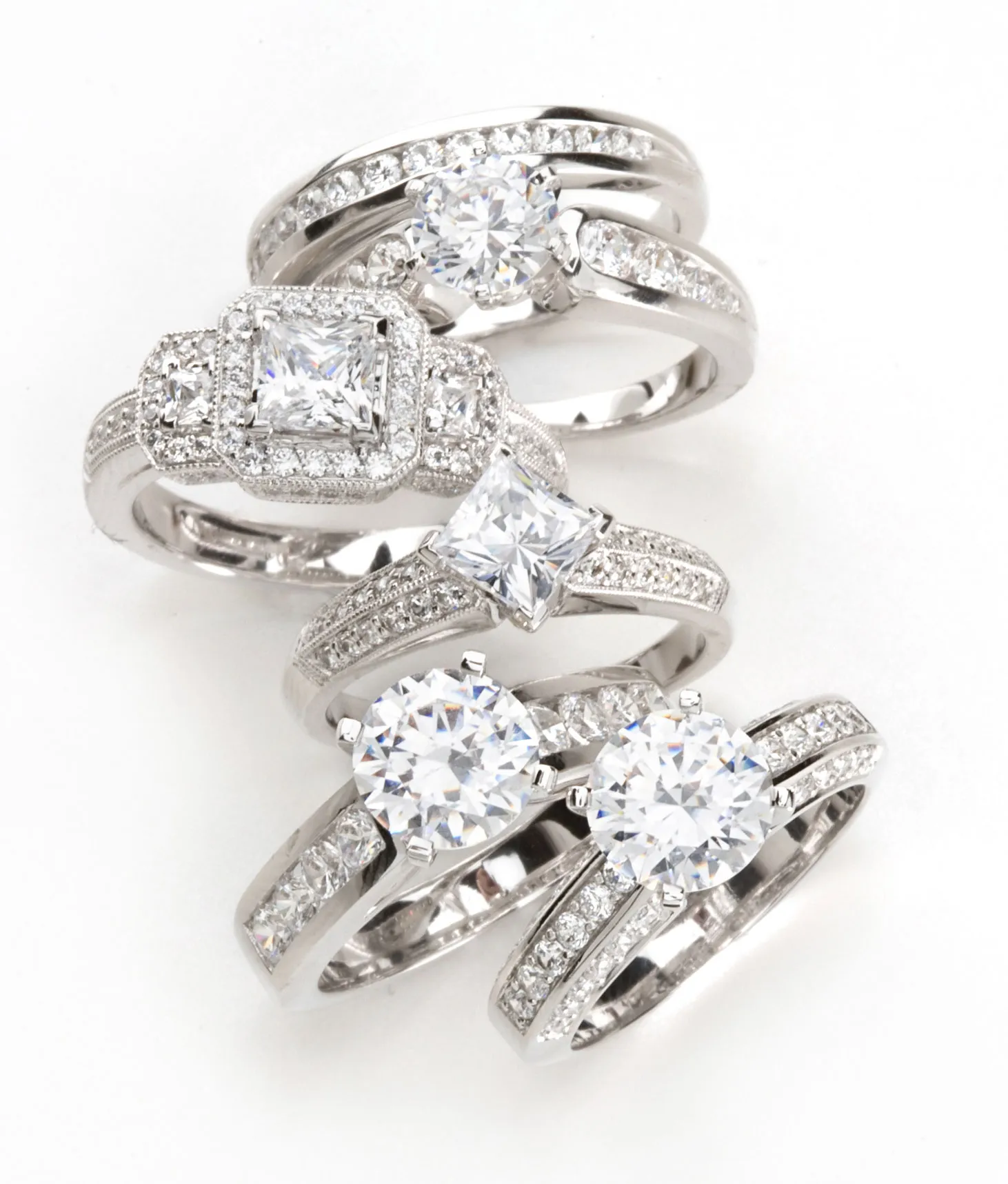
These lab-grown diamonds look like natural diamonds, contain the same chemical and physical attributes and even come with diamond certifications. While they can be cut to look amazing they do come with a downside which we’ll touch on next
Lab-Grown Diamonds are more affordable but will they hold their value?
This is a question that we are asked a lot. The resale market for lab-grown diamonds isn’t very strong and continues to drop every month. As more lab-grown diamonds continue to be mass-produced from overseas factories, the prices and resale values will continue to drop further. This is based on simple economics. If more of a product can be mass-produced faster and for less money, then the less special it is and the more the value drops. A similar thing happened with the introduction of synthetic rubies, emeralds, and sapphires; as mass production increased their price and resale value went down significantly.